 haz-ed-admin
  20 August 2023
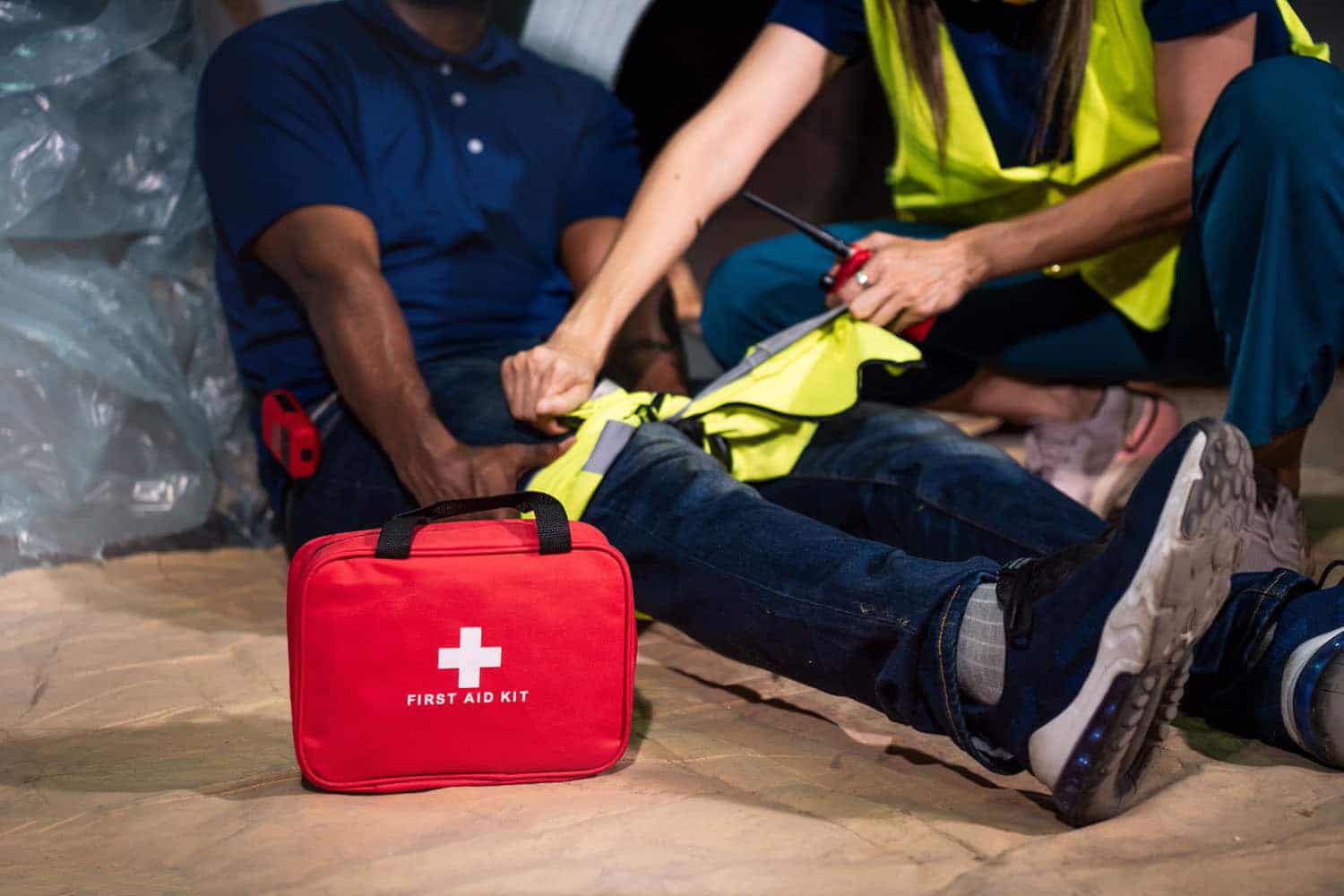
Having a first aid kit on hand is always important, it’s certainly one of those clichés where you may never know how important it is until you need it. While a well developed and integrated workplace health and safety program will mitigate many injury’s, some things simply can’t be prevented.
From a paper pushing paper cut to a blister from the new work boots all the way up to crushed libs and deep lacerations, the following 5 things are essentials in any first aid kit.
1 – Latex Gloves
If someone around you has sustained an injury you don’t want anything to prevent you from helping, however you must never put yourself at risk.
Latex gloves come in different sizes so be mindful of this when stocking your first aid kit.
2 – Band-Aids
Well this seems like an obvious one, but its also just so common to go into a first aid kit and see a littering of Band-Aids wrappers with no fresh ones in sigh. Consider going with options that have built-in antibiotic ointment and waterproof ones for injuries that may get wet. But it will of course depend on your industry to determine which Band-Aids are best.
If you’re all about style, there are plenty of stylish choices and fun kid-themed ones to have on hand if you’re a big kid!
3 –Bandages
You will also want to make sure you have a selection of joint bandages. If you trip or sustain an injury to a joint, you may need to strap it straight away to prevent long term damage. Using the correct joint shaped bandage will help you keep the injured body part from moving, ensuring it’s stable while you go for help. Smaller ones are great for smaller joints, like the wrist, while larger ones work well for the knees.
4 – Tweezers
Not for plucking the monobrow, Tweezers are an essential item you should have on hand in your first aid kit. They come in handy for removing insect stingers, ticks, splinters, and more. However, you may want to have some alcohol preps with your tweezers so you’re able to sterilise the tips of the tweezers before you use them. This should be done every time they are used, and after you use them.
5 – Instant Ice Packs
Sprains, minor falls, and other injuries are very common, and icing these common injuries quickly is important. Applying cold to injuries can help reduce the pain and swelling. Just remember, instant ice packs are only good for one use, so you’ll need to replace them after using one. It’s a good idea to also have a reusable ice pack in the freezer as well.
These are of course just 5 items we have put in the spotlight, there are plenty more and buying a fully equipped first aid kit is the best way to make sure you have the essentials. What comes next it being proactive in keeping it stocked and making sure you have regular checks on stock.
For more information or support with first aid kids get in touch with us.
Recent posts
 haz-ed-admin 4 April 2024
Haz-Ed Celebrates International Women’s Day: A Commitment to Excellence

 haz-ed-admin 16 October 2023
OH&S Overview – Understanding Occupational Health and Safety
haz-ed-admin 20 August 2023